

‘Peddling Fool’s Gold’ – Twenty Months, No Answers from the FDA on Abortion Pill Safety
Oct 15, 2026 by FACT
“I believe abortion should be safe, legal, and rare.” – Bill Clinton, 1992
For decades, the abortion lobby purported that abortion should be “safe, legal, and rare.” Bill Clinton was responsible for popularizing the phrase during his 1992 presidential campaign. Hillary Clinton was still using it in 2008, adding, “and by rare, I mean rare.”
Then, as the movement became more and more radicalized, everyone suddenly stopped using the full phrase. The Democrat Party cut the word “rare” from its platform in 2012. By 2016, Hillary Clinton’s campaign had trimmed the slogan down to “safe and legal.” Today there is an organization called “Shout Your Abortion” that encourages women to be proud of how many babies they’ve killed. Their website states, verbatim, “Shout Your Abortion is normalizing abortion and elevating safe paths to access, regardless of legality.”
A report released last month by the pro-life Charlotte Lozier Institute tragically found that “1,129,020 abortions occurred within the formal U.S. health care system in 2025, an increase from 1,108,810 in 2024.”
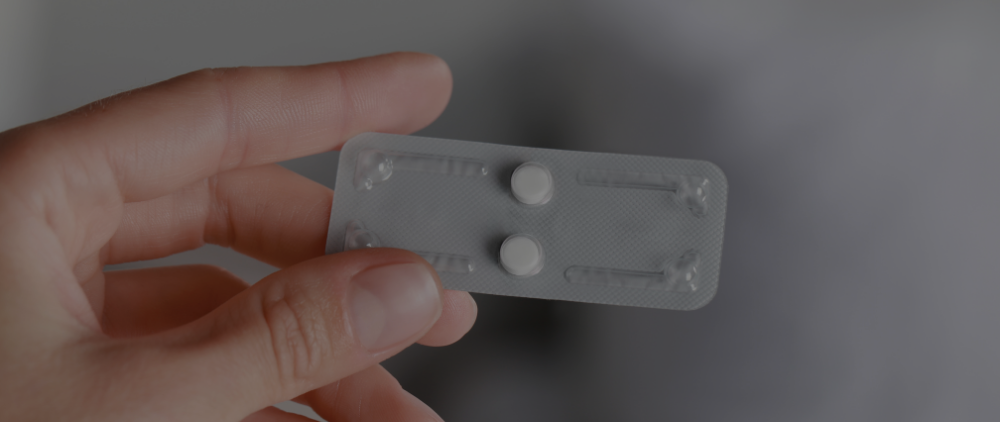
Over one million abortions per year is anything but “rare.” Since Roe v. Wade was overturned, the abortion industry’s new weapon of choice is mail-order pills, which accounted for 28% of all abortions in 2025, up from 22% in 2024. The number of online-only abortion operations grew from 20 to 34, shipping into all fifty states even when it violates pro-life laws like Tennessee’s.
As the Lozier report explained, state health departments “mistakenly claim these pro-life states with life-at-conception laws are abortion-free because the number of in-person abortions has decreased to almost zero in most of these states. However, the latest data shows that these states are anything but abortion-free.”
The Mifepristone Battle
When mifepristone, the first of a two-drug protocol used to induce abortions, was approved by the FDA in 2000, it was limited to the first seven weeks of pregnancy and had to be dispensed in person by a certified provider. In 2016, the FDA raised the gestational limit to ten weeks and eased distribution rules, approving the drug for later use with less oversight than before despite countless reports of adverse events. A federal court suspended the in-person requirement in July 2020, and the Supreme Court restored it that January – but in April 2021 the FDA chose on its own not to enforce it, and in December 2021 removed it outright, clearing the way for abortion pills to be sent by mail despite growing alarm over safety risks associated with the pill.
A study by the Ethics and Public Policy Center (EPPC) reviewed an all-payer insurance claims database covering 865,727 mifepristone abortions between 2017 and 2023 – the largest body of real-world mifepristone data that has ever been examined – and found that “10.93 percent of women experience sepsis, infection, hemorrhaging, or another serious or life-threatening adverse event within 45 days following a mifepristone abortion” – more than twenty times the rate printed on the drug’s own label, which puts the figure at less than 0.5%.
The groundbreaking study prompted 22 state attorneys general to submit a letter in July 2025 demanding the FDA reinstate the safeguards it had abandoned or pull mifepristone from the market until it finished researching the full effects of the drug.
In September 2025, HHS Secretary Robert F. Kennedy Jr. responded that the agency was conducting a comprehensive review of the medication, acknowledging the study pointed to “potential dangers that may attend offering mifepristone without sufficient medical support or supervision.”
Last week, on October 7, over a year and a half after the study was first announced, the FDA told a federal appeals court that the safety review will not be finished until next year. The study is expected to wrap up in mid-December, and a finalized report will follow “no later than March 2027,” and only then will the agency decide whether any restrictions are warranted.
Marjorie Dannenfelser of SBA Pro-Life America put the announcement in perspective:
“The FDA’s court-ordered update on its abortion-drug study is alarming. Twenty months after first promising this review, administration officials continue to describe it as, in Secretary Kennedy’s words, ‘grounded in gold-standard science.’ FDA nominee Dr. Heidi Overton echoed that claim last week, testifying that the study is being conducted in ‘the most durable, scientific way possible.’
But instead of the promised gold-standard study, the FDA is trying to peddle fool’s gold. There is no indication that the agency has obtained commercially available data.
Even under the FDA’s current timeline, the study will not be completed for at least another six months. Without action, that means 90,000 additional abortions in states whose strong protections for unborn children are being circumvented by the mail-order abortion-drug policy. It also means more women left vulnerable to coercion and abuse because basic medical oversight is absent, denying women the healthcare they deserve and instead empowering abusers. Action is long overdue.”
Safe, legal, and rare was never a serious promise. Twenty months into a safety review with no end in sight, over a million abortions a year, and pills crossing state lines in defiance of pro-life laws – not one of the three pillars has survived. What we have known for years is now impossible to deny: the true mission of the abortion movement is not about women’s safety, or even women’s “healthcare” – it’s about profit at the expense of both.
We urge the FDA to take a stand where Big Abortion will not. Mifepristone is harming tens of thousands of women and killing hundreds of thousands of babies every single year. It’s time to put an end to this scourge on our nation. Click here to take action.